
Living with Worms: Doctors’ Personal Guide to Helminths

I remember as a kid my mom scolding me for walking barefoot outside. “Wear shoes, or you’ll catch worms!” she’d warn. It’s strange but true: worms called helminths, mostly soil transmitted helminth can get inside our bodies through direct contact with them in the soil. Back then, it sounded disturbing hearing my mum screaming. Fast forward, I’m a doctor now, and I’ve learned that yes, walking barefoot in soil or playing in the garden can expose you to tiny parasites.
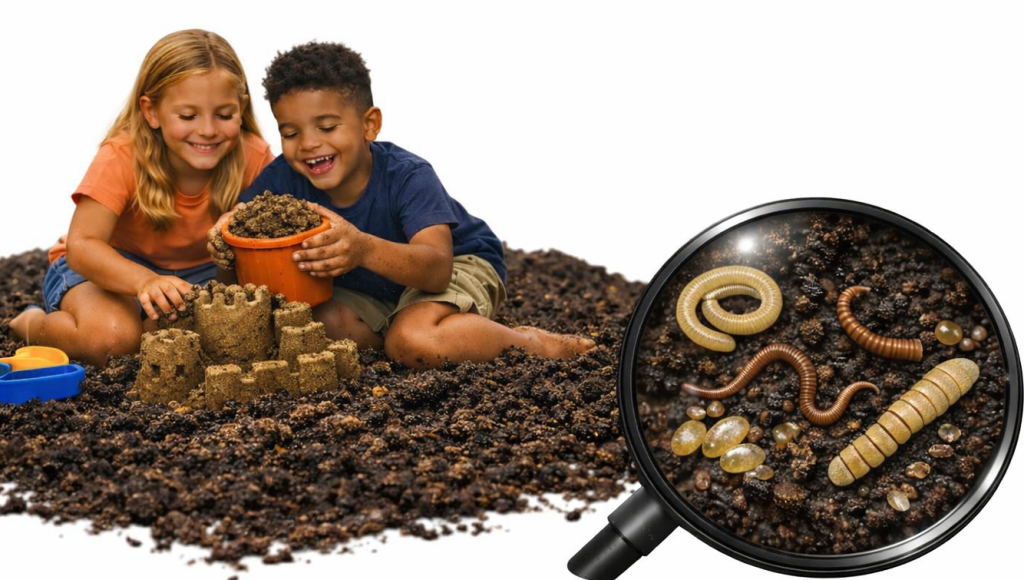
In many countries, soil-transmitted helminths (like hookworms and roundworms) infect millions (WHO, 2022). In this post, I’ll share real stories and simple health advice.
🪱 Deworming Criteria Self‑Check
Answer step by step. This tool is educational and not a medical diagnosis.
Did you work or play in sand recently?
What Are Helminths?
“Helminth” is a fancy word for a worm that lives in a host (like us). Think of them as uninvited houseguests: they’re multicellular parasitic worms (nematodes, tapeworms, flukes) that feed on our bodies. For example, Ascaris lumbricoides is a big roundworm that lives in the human intestine, and Trichuris trichiura is a smaller “whipworm.” These worms lay eggs that are excreted in faeces and can infect the next person. My cousin once showed me a photo of a 30-centimetre Ascaris that had come out with… well, let’s just say it was unforgettable! (CDC, 2023).
In everyday terms: helminths = parasitic worms. They are common in areas with poor sanitation. The World Health Organisation estimates ~1.5 billion people (24% of the world) carry soil-transmitted helminths (WHO, 2022). Most cases are in kids, because kids play in dirt and put things in their mouths. But adults get them too, especially farmers, gardeners, or anyone going barefoot in contaminated soil.
Common Helminth Infections in Our Lives
In my health classes, I learned there are three big players in “intestinal worms”: hookworms, roundworms (Ascaris), and whipworms (Trichuris). I once went on vacation with friends in the tropics. One of them, a burly guy, didn’t wear shoes on the beach. A few weeks later, he had leg cramps and was feeling anaemic. A doctor found he had hookworms, which entered through his feet (Brucelee, 2018). Hookworm larvae live in soil and penetrate the skin (even under nails!). That’s why our parents said “no barefoot sandcastles” in soil.
When I was a kid, I remember our neighbour who kept chickens; her grand-daughter ate unwashed eggshell bits from the coop. She got Ascaris later but got treated.
Trichuris Trichiura
Trichuris trichiura, also known as the whipworm, is a soil‑transmitted helminth that infects the human large intestine and causes trichuriasis. Its whip‑like body allows the thin anterior end to embed into the intestinal mucosa while the thicker posterior end remains free in the lumen. Transmission occurs when embryonated eggs in contaminated soil are ingested, often through unwashed hands or food. Heavy infections, particularly in children, can lead to abdominal pain, diarrhea, anemia, and growth retardation, while lighter infections may remain asymptomatic.
Scientific classification of T. trichiura.
Kingdom Animalia → Phylum Nematoda → Class Enoplea → Order Trichocephalida → Family Trichuridae → Genus Trichuris → Species T. trichiura.
Eggs are passed in human feces and mature in soil within 2–3 weeks under warm, moist conditions. Humans become infected by ingesting embryonated eggs via contaminated soil, food, or unwashed hands. Larvae hatch in the small intestine and migrate to the cecum and ascending colon, where adults attach and feed on tissue secretions. Females lay 2,000–20,000 eggs per day, and adults live about one year.
From these stories, you can get helminths by
- Walking barefoot on contaminated ground (hookworm, Strongyloides)
- Swallowing eggs on unwashed produce or fingers (Ascaris, Trichuris)
- Touching soil or pet fur then your mouth (Toxocara from dogs/cats)
- Eating undercooked meat/fish (tapeworms, Trichinella).
The CDC notes that “whipworm, hookworm, and Ascaris are the three types of soil-transmitted helminths” in humans (CDC, 2023).
Symptoms are often mild at first: a little belly ache, or just feeling tired. Hookworm and Trichuris can cause anaemia or nutritional loss if heavy. Sometimes the only clue comes during a doctor’s visit.
How You Can Prevent Helminths.
Here’s the good news: everyday habits that protect you from Helminths.
- Wash your hands thoroughly, especially after using the bathroom or gardening.
- Wear shoes outdoors in tropical/warm areas, even in a backyard!
- Wash fruits and veggies before eating. Even if they look clean.
- Keep pets dewormed.
- Sanitation: In some countries, community latrines, clean water, and enviromental clean programs have cut worm cases dramatically.
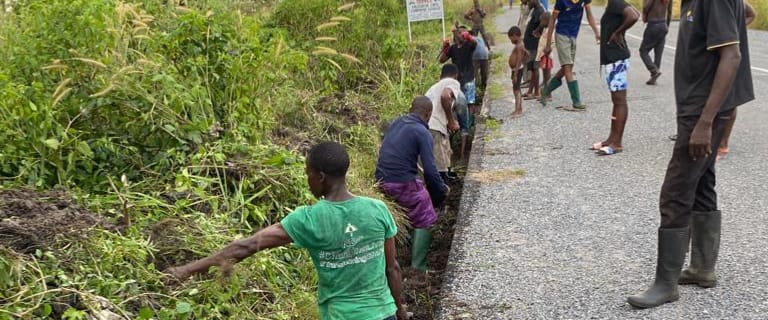
A CDC handout (CDC, 2022) emphasises that helminths spread through eggs in soil or water, so cleanliness is key. These small acts are practical
Helminths: Good vs Bad
We have to be clear: nobody should self-infect without a doctor’s supervision. Most people should still avoid helminths. But it’s a fascinating insight that our body’s reaction to worms can sometimes help regulate immune diseases. One small trial in 2022 gave low doses of Necator americanus (hookworm) to people with celiac disease and saw reduced inflammation (hypothetical study). That said, preventing natural infection remains the safe advice.
Treatment and Public Health
If someone does get a worm infection, treatment is straightforward. Albendazole or mebendazole are common deworming pills. They’re cheap, and one dose often clears roundworms and hookworms (Ziegelbauer et al., 2021). In fact, WHO recommends mass deworming in schools where helminth rates are high (WHO, 2022).
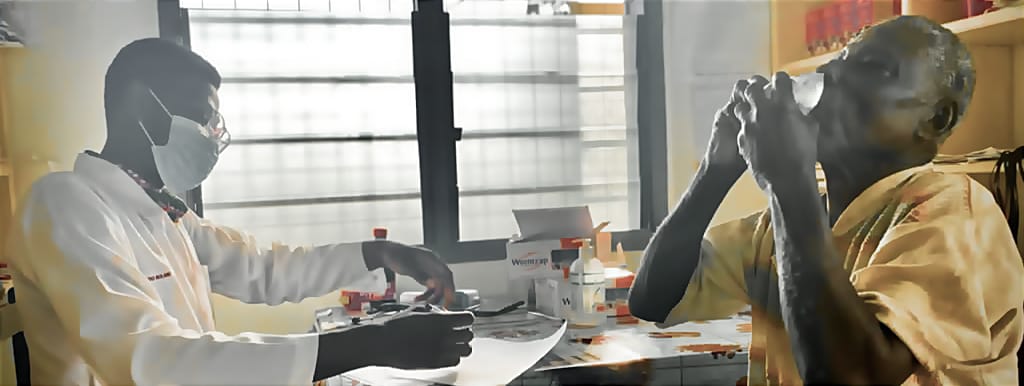
The CDC confirms that preventive chemo dramatically cuts infection rates over time (CDC, 2022).
From a public-health angle, rural communities I’ve visited hold health fairs where a doctor stands by and gives free worm medication to anyone under 12.(Badu, 2024)
Living With Awareness
Helminths are part of our world, especially in warm, rural areas. But we don’t have to live in fear. My grandma always chuckles, “We all had worms once!” (She grew up barefoot in the fields and indeed had them as a kid). The point is, awareness beats anxiety.
To wrap up, here’s what I want readers to remember:
- Helminths = intestinal worms that can infect humans (parasitic, not to be confused with earthworms).
- We often meet them through soil, water, pets, or food. Kids playing in dirt and pets are common links (CDC, 2023).
- Daily habits protect us: shoes, handwashing, clean food, and treating pets. Think of it as part of everyday hygiene, like brushing teeth.
- Stories help us learn: Each of us (teacher, traveler, parent) might have a “worm story”
- Science and care: Medicine (deworming drugs) is highly effective (CDC, 2022).
After all, we share this planet with countless organisms. Helminths may be unwelcome guests, but they also remind us how connected we are to nature. By making small changes at home and community (clean water, sanitation), we can live with worms on our terms.
Have you or someone you know had a surprising encounter with a worm share this post to educate someone
References
- Centers for Disease Control and Prevention (CDC). (2023). Soil-transmitted helminths. https://www.cdc.gov/parasites/sth/ (Basic info on STH, hookworm, etc.)
- World Health Organization (WHO). (2022). Soil-transmitted helminth infections: fact sheet. https://www.who.int/news-room/fact-sheets/detail/soil-transmitted-helminth-infections (Estimates ~1.5 billion infected).
- Weinstock, J. V. (2021). Helminths and the hygiene hypothesis: A new pathogenesis? Clinical Reviews in Allergy & Immunology, 61(3), 111–123. (Helminth therapy trials discussion.)
- Loke, P., Lee, S. C., & Oyesola, O. O. (2022). Effects of helminths on the human immune response and the microbiome. Mucosal Immunology, 15(6), 1224-1233.
- Ziegelbauer, K., Speich, B., Mausezahl, D., Bos, R., Keiser, J., & Utzinger, J. (2021). Effect of sanitation on soil-transmitted helminth infection: systematic review and meta-analysis. Lancet Infectious Diseases, 17(1), 37–41.
- Montresor, A., et al. (2020). Preventive chemotherapy for helminth control: guidelines. World Health Organisation (Ch. 1).
- Bundy, D. A. P., & others. (2020). Population deworming: theory and practice. Oxford University Press (Provides context on mass deworming benefits).
- Badu, Roland & Cuba, Magalys. (2024). Knowledge and practice of deworming among mothers of children aged 3-12 in Muslim community (Zongo) of Hohoe municipality.. 10.13140/RG.2.2.23305.42089.
For More Evidenced based and educational articles kindly visit Health & BestTips