

Living With Pinworms? Albendazole vs Mebendazole – Doctor’s Guide

Introduction
Living with pinworm is a medical concern and needs urgent intervention for worm elimination. Pinworm infection is one of the most common intestinal parasitic infections worldwide, especially in children. It spreads easily within households and schools and often causes persistent itching around the anal area, particularly at night. Two of the most commonly prescribed treatments are albendazole and mebendazole. Both are highly effective anthelmintic medications, but they differ slightly in pharmacology, absorption, and clinical preference. This guide explains the differences in a clear, evidence-based way to help you understand how doctors choose between them.
What Are Pinworms?
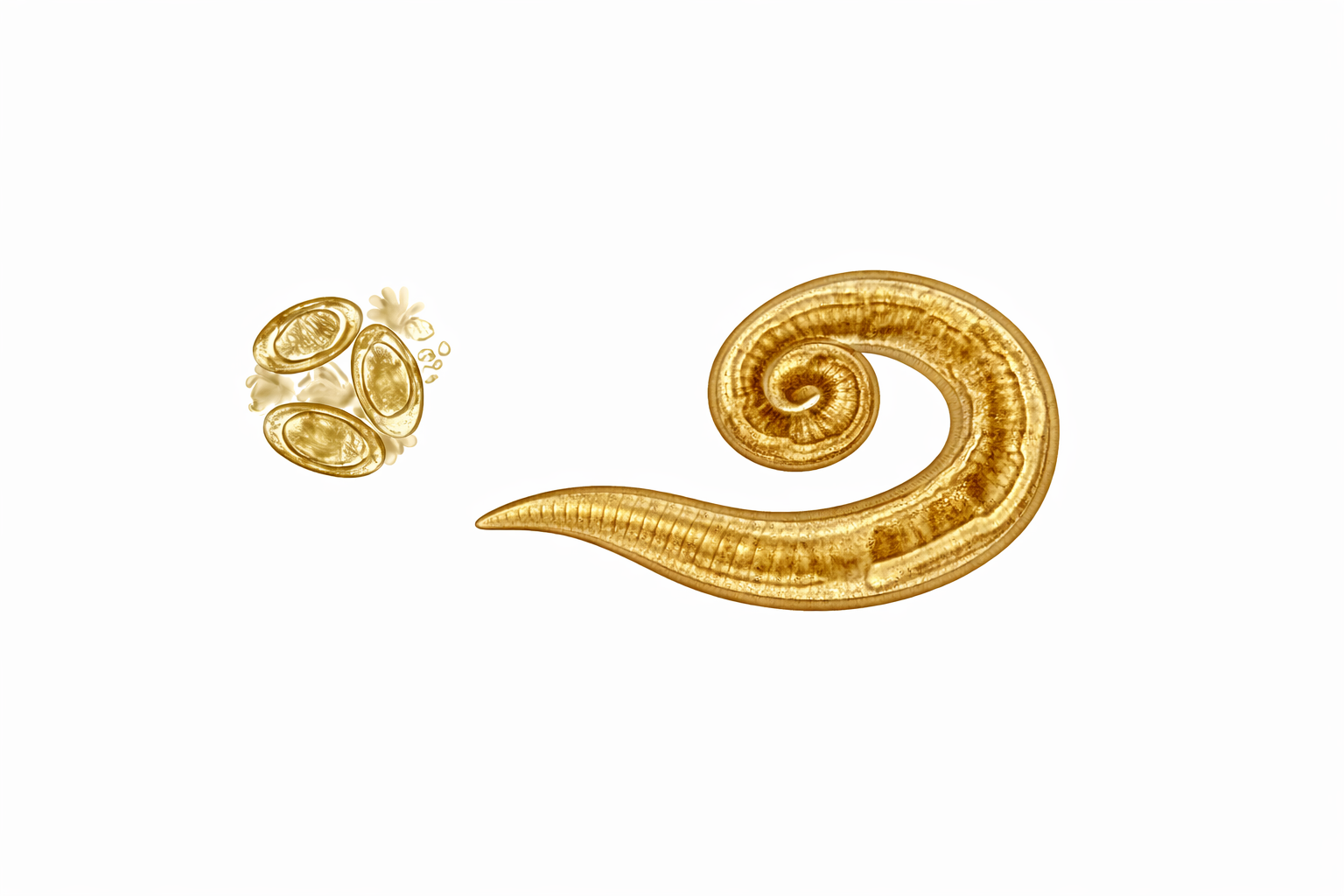
Pinworms (Enterobius vermicularis), also known as threadworms, are small intestinal parasites that live in the human digestive tract. Female worms lay eggs around the anus, leading to intense itching and easy transmission. Infection occurs through ingestion of microscopic eggs via contaminated hands, surfaces, or food. Good hygiene is essential because reinfection is extremely common if preventive measures are not followed.
How Albendazole and Mebendazole Work
Both albendazole and mebendazole belong to a class of drugs called benzimidazoles. In pinworm infection (Helminthiasis), they work by disrupting the parasite’s ability to absorb glucose, thereby depleting energy stores and leading to worm death (MSD Manual Professional Edition, 2025)
Albendazole
Works systemically, meaning it enters the bloodstream and can act beyond the intestines.
- Standard dose: 400 mg single dose
- Repeat dose: after 2 weeks
- Better absorption with fatty food
Mebendazole
Mebendazole acts mainly within the intestinal lumen and has minimal systemic absorption.
- Standard dose: 100 mg single dose (or equivalent regimen)
- Repeat dose: after 2 weeks
- Can be taken with or without food
Why a Second Dose Is Essential
Pinworm treatment always requires two doses spaced 2 weeks apart. The first dose kills adult worms, but not eggs. The second dose eliminates newly hatched worms before they mature. This approach is standard clinical guidance to prevent reinfection (Centers for Disease Control and Prevention [CDC], 2024).
Albendazole vs Mebendazole: Clinical Comparison
| Feature | Albendazole | Mebendazole |
|---|---|---|
| Drug class | Benzimidazole | Benzimidazole |
| Absorption | Systemic | Local (intestinal) |
| Food requirement | Fat enhances absorption | Not required |
| Form | Tablet | Tablet / chewable |
| Primary use | Broad parasitic infections | Intestinal worms |
| Safety profile | Well tolerated | Well tolerated |
Which One Do Doctors Prefer?
There is no single “best” drug for all cases. In clinical practice:
Albendazole is preferred when:
- Broader parasitic coverage is needed
- Systemic infection is suspected
- Higher tissue penetration is beneficial
Mebendazole is preferred when:
- Infection is limited to the intestines
- A pediatric chewable formulation is needed
- Local intestinal action is sufficient
Both drugs are considered first-line therapies for pinworm infection, and cure rates are comparable when correctly administered (MSD Manual Professional Edition, 2025).
Safe Treatment Guidelines
Effective treatment is not only about medication but also about preventing reinfection.
Doctors usually recommend:
- Treating all household members simultaneously
- Strict hand hygiene before meals and after toilet use
- Daily bathing in the morning
- Washing bedding, towels, and clothing in hot water
- Keeping fingernails short and clean
These steps significantly reduce reinfection risk (CDC, 2024).
Possible Side Effects
Mild side effects may include:
- Abdominal discomfort
- Headache
- Temporary nausea
- Dizziness
Clinical Summary
Albendazole and mebendazole are both effective, safe, and widely used treatments for pinworm infection. The choice depends on clinical judgment, patient age, drug availability, and infection severity rather than major differences in efficacy.
FAQ
Frequently Asked Questions
📚 References
Centers for Disease Control and Prevention. (2024). Clinical overview of pinworm infection.
https://www.cdc.gov/pinworm/hcp/clinical-overview/index.html
MSD Manual Professional Edition. (2025). Pinworm infestation (Enterobiasis).
https://www.msdmanuals.com/professional/infectious-diseases/nematodes-roundworms/pinworm-infestation
Drugs.com. (2025a). Albendazole monograph.
https://www.drugs.com/monograph/albendazole.html
Drugs.com. (2025b). Mebendazole monograph.
https://www.drugs.com/monograph/mebendazole.html
For more evidence-based research, read More @ Health & BestTips