
Best Blood Pressure Monitors for Home Use | What Doctors Want.

Managing cardiovascular health relies on accurate data. The best pressure monitor for home use rely on adequate clinical validation. Research published in Hypertension reveals that 84% of top-selling home blood pressure monitors on major online marketplaces lack clinical validation (Picone et al., 2020). To ensure reliable tracking, the American Heart Association (AHA) recommends automatic upper-arm cuff monitors over wrist models (AHA, 2025). Upper-arm devices measure the brachial artery at heart level, whereas wrist alternatives target smaller radial arteries that are highly sensitive to body position, frequently introducing errors of 5 to 15 mmHg.
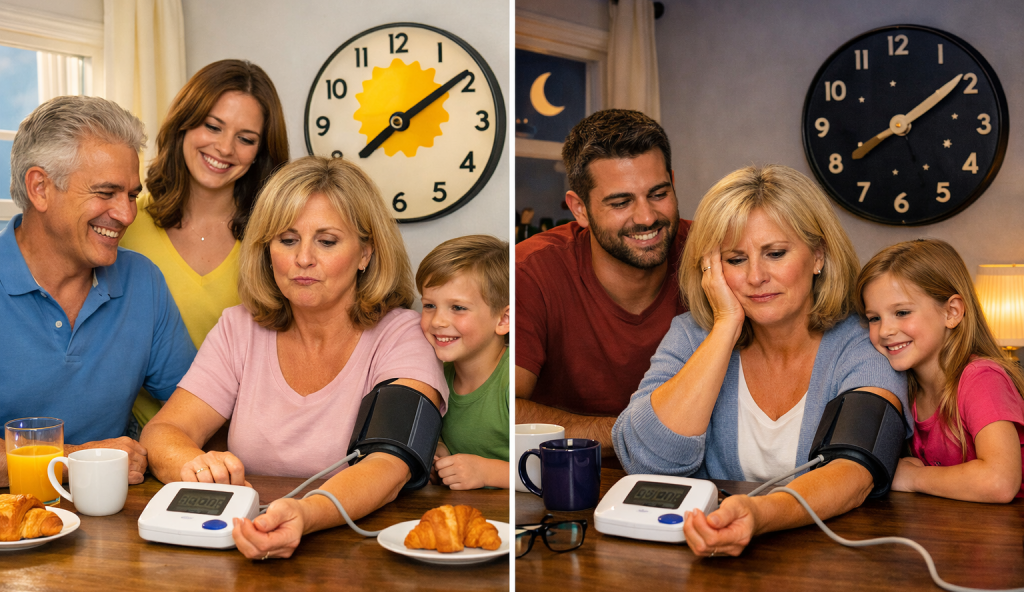
And also the best pressure monitor for home must follow the right medical guidelines that emphasize clinical validation and correct cuff sizing. Independent medical bodies test devices against strict international standards to ensure accurate performance (Hypertension Canada, 2020). Using an incorrectly sized cuff is a primary cause of inaccurate readings. A randomized trial in JAMA Internal Medicine demonstrated that using a standard cuff on a large arm falsely elevates systolic readings by up to 20 mmHg (Brady et al., 2023). Precise arm measurement is therefore required before selecting a device.
Clinical Validation of BP Device
Clinical evaluations identify several validated models. The Omron Platinum (BP5450) features a dual LCD screen for side-by-side historical comparisons and includes Bluetooth connectivity for digital tracking. For users seeking standard functionality, the Omron 3 Series and the A&D Medical Premium Multi-User monitor provide clinical-grade accuracy through a simplified interface.
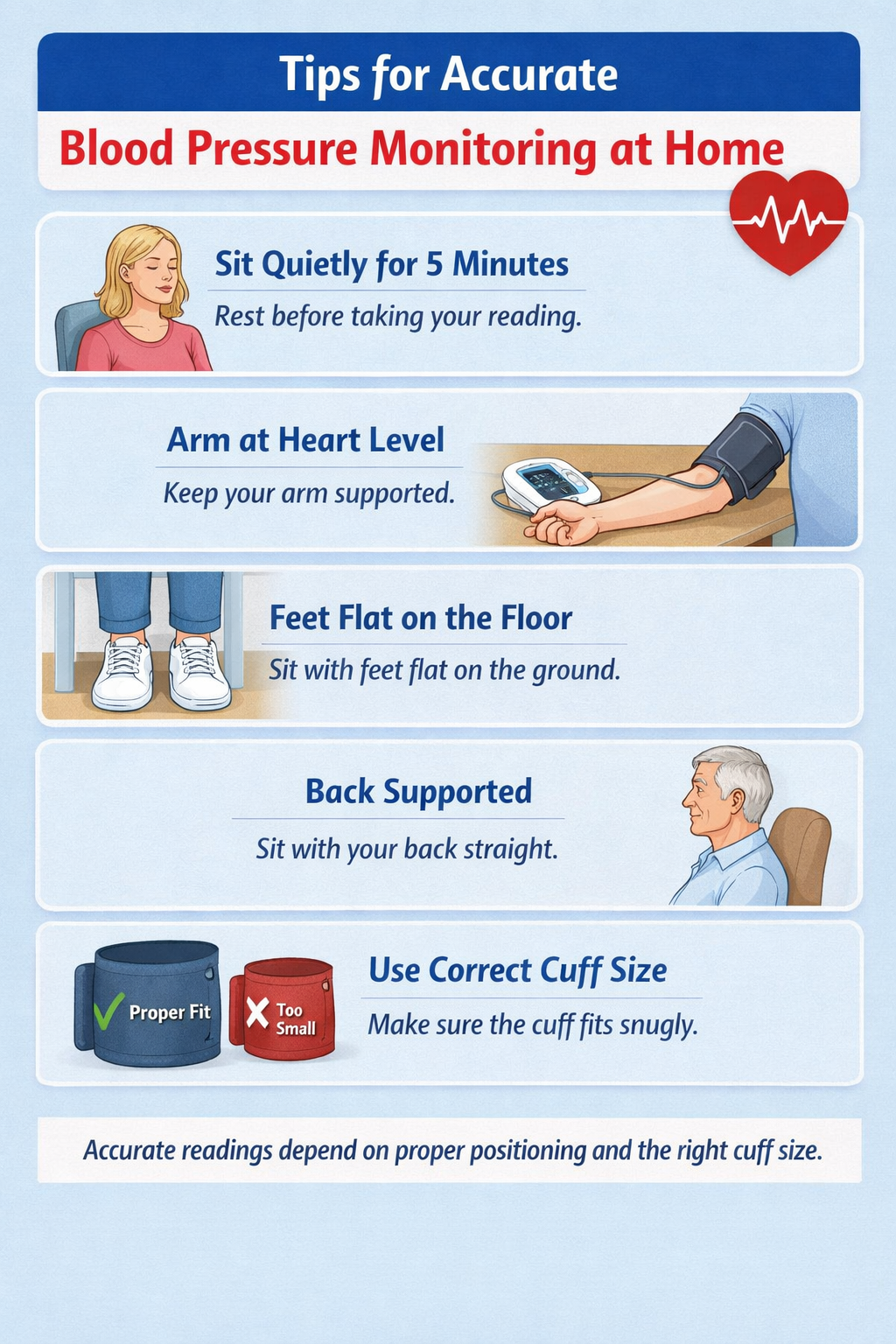
Accurate home monitoring requires proper technique. The AHA advises patients to rest quietly for five minutes, empty their bladder, and support their bare arm at heart level without speaking during testing (AHA, 2025). Recording multiple measurements taken one minute apart provides medical professionals with a reliable assessment of cardiovascular trends, minimizing the diagnostic impact of office-based anxiety.
High blood pressure is one of the most common cardiovascular conditions worldwide. In this guide, we compare some of the best blood pressure monitors for home use, focusing on accuracy, reliability, usability, and smart health features.
According to the World Health Organisation, more than 1.28 billion adults live with hypertension globally, and many remain undiagnosed.

Clinical evidence shows that home blood pressure monitoring improves blood pressure control and treatment adherence in patients with hypertension (Agarwal et al., 2011).
Why Home Blood Pressure Monitoring Matters
Healthcare organizations such as the American Heart Association recommend home monitoring because it helps detect hypertension earlier and track treatment progress.
Accurate Readings
Choosing a blood pressure monitor isn’t just about convenience; it’s about accuracy. As a physician, I’ve seen patients misdiagnosed or poorly managed simply because they were using unreliable devices at home. A monitor that gives consistent, accurate readings can make a real difference in controlling hypertension and protecting your heart health.
Why Accuracy Matters
Even a small error of 5–10 mmHg can lead to incorrect medication adjustments or missed diagnoses. Accuracy is crucial because home readings often guide treatment decisions between clinic visits. Clinically validated monitors ensure you and your doctor are seeing the true numbers, not misleading ones.

What to Look for in a Reliable Blood Pressure Monitor
When choosing a home monitor, I recommend focusing on these factors:
- Clinically validated: Look for devices approved by the American Heart Association (AHA) or European Society of Hypertension (ESH).
- Upper arm vs wrist: Upper-arm monitors are generally more accurate; wrist monitors are convenient but require careful positioning.
- Cuff size: Make sure the cuff fits your arm properly to avoid inaccurate readings.
- Consistency over smart features: Bluetooth and apps are nice, but reliable readings matter most.
Recommended Home Blood Pressure Monitors
Based on clinical reliability, ease of use, and patient outcomes, here are some of the best monitors I recommend:
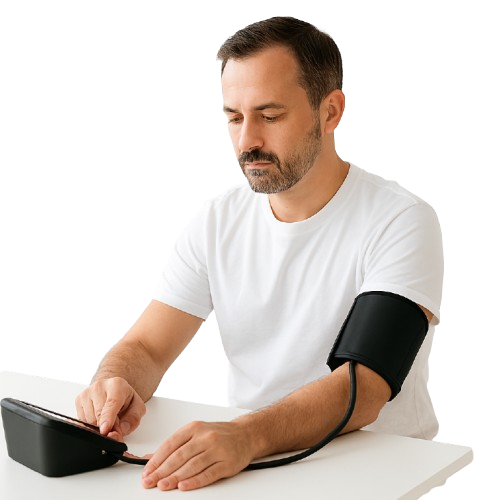
Click any blood pressure monitor to check availability on Amazon
| Blood Pressure Monitor | Accuracy | Smart Features | Best For |
|---|---|---|---|
| Omron Platinum | Clinically validated | Bluetooth + app tracking | Overall best recommend |
| Omron Evolv | Clinically validated | Wireless compact design | Travel |
| iHealth Track | High accuracy | Colour-coded results | Elderly users |
| Greater Goods Monitor | Reliable | Basic memory storage | Budget option– recommend |
| Withings BPM Connect | Clinically validated | Wi-Fi + Bluetooth | Smart monitoring recommend |
Product Breakdown & Doctor Tips
Omron Platinum (Best Overall)
- Clinically validated with consistent readings.
- Bluetooth and app tracking make it easy to log readings over time.
- Ideal for most adults who want reliable home monitoring.
Omron Evolv (Travel-Friendly)
- Compact and wireless.
- Clinically validated upper-arm monitor.
- Perfect for patients who travel frequently and need consistent readings on the go.
iHealth Track (For Elderly Users)
- Large, color-coded display for easy reading.
- High accuracy ensures reliable results even for older adults.
- Simple enough for patients who prefer minimal setup.
Greater Goods Monitor (Budget Option)
- Reliable basic monitor with memory storage.
- Affordable without sacrificing essential accuracy.
- Great for patients looking for a low-cost, trustworthy device.
Withings BPM Connect (Smart Monitoring)
- Clinically validated with Wi-Fi + Bluetooth connectivity.
- Offers app tracking and trend monitoring.
- Recommended for patients who want a full digital experience and data sharing with their doctor.
What I Recommend to My Patients
For most patients, I suggest starting with a clinically validated upper-arm monitor, such as the Omron Platinum. It offers consistent readings, reduces user error, and works well for long-term home monitoring. Smart features are helpful, but accuracy should always come first.
Common Mistakes When Measuring Blood Pressure at Home
- Measuring immediately after caffeine or exercise.
- Talking or moving during readings.
- Using the wrong cuff size.
- Not resting for 5 minutes before measuring.
Following these steps ensures your readings are accurate and meaningful. The best blood pressure monitor isn’t the most expensive; it’s the one that gives you consistent, accurate readings you and your doctor can trust. Using a clinically validated monitor and following proper measurement techniques can help you take control of your blood pressure and protect your heart health
Benefits of home blood pressure monitoring
- Detects high blood pressure early
- Helps doctors adjust medications more effectively
- Reduces white-coat hypertension
- Improves long-term blood pressure control
How to Measure Blood Pressure Correctly at Home
To obtain accurate readings:
- Sit quietly for at least 5 minutes before measuring
- Position your arm at heart level
- Keep your feet flat on the floor
- Back supported and relaxed, mind cleared up and relaxed (very important)
- Avoid caffeine or smoking beforehand
- Take two readings, 5 min apart, and average the results.
Normal Blood Pressure Range
According to the American Heart Association, blood pressure categories are defined as:
| Category | Blood Pressure |
|---|---|
| Normal | Less than 120/80 mmHg |
| Elevated | 120–129 / <80 |
| Hypertension Stage 1 | 130–139 / 80–89 |
| Hypertension Stage 2 | ≥140 / ≥90 |
A healthcare professional should evaluate persistent high readings.
Doctor’s Recommendation
As a medical professional, I generally recommend upper-arm blood pressure monitors rather than wrist monitors.
Research indicates that upper-arm devices tend to provide more consistent and reliable readings compared with wrist monitors (Stergiou et al., 2018).
When choosing a monitor, look for
- Clinical validation
- Correct cuff size
- Memory storage capability
- Reliable manufacturer reputation
Conclusion
Home blood pressure monitoring is a powerful tool for detecting and managing hypertension. Choosing a clinically validated blood pressure monitor helps ensure accurate readings and better cardiovascular health management.
Among the available options, upper-arm monitors with clinical validation and digital tracking features tend to deliver the most reliable results. However, it’s important to remember that without proper blood pressure technique, even the best monitor won’t provide accurate readings.
FAQs
Clinically validated upper-arm monitors, particularly those produced by established medical device manufacturers, are considered the most reliable for home monitoring.
Patients with hypertension are typically advised to measure blood pressure twice daily, once in the morning and once in the evening.
Wrist monitors can be convenient but are often less accurate than upper-arm devices, especially if the wrist is not positioned at heart level.
Yes. Studies show that self-monitoring improves hypertension management and medication adherence (Agarwal et al., 2011).
This article is for informational purposes only and does not replace professional medical advice, diagnosis, or treatment.
A more related post is what is the best tea for high blood pressure
Read more on Health & BestTips
References
Agarwal R, Bills JE, Hecht TJ, Light RP.
Role of home blood pressure monitoring in overcoming therapeutic inertia and improving hypertension control: a systematic review and meta-analysis.
Hypertension. 2011.
https://pubmed.ncbi.nlm.nih.gov/21115879/
Stergiou GS, Kario K, Kollias A, et al.
Home blood pressure monitoring in the 21st century.
Journal of Clinical Hypertension. 2018.
https://pubmed.ncbi.nlm.nih.gov/30003694/
Parati G, Omboni S, Albini F, et al.
Home blood pressure monitoring in the diagnosis and treatment of hypertension.
https://pubmed.ncbi.nlm.nih.gov/20940712/
World Health Organization – Hypertension Fact Sheet
https://www.who.int/news-room/fact-sheets/detail/hypertension
American Heart Association – Understanding Blood Pressure
https://www.heart.org/en/health-topics/high-blood-pressure
American Heart Association. (2025). Home blood pressure monitoring. https://www.heart.org/en/health-topics/high-blood-pressure/understanding-blood-pressure-readings/monitoring-your-blood-pressure-at-home
Ishigami, J., Charleston, J., Miller, E. R., III, Matsushita, K., Appel, L. J., & Brady, T. M. (2023). Effects of cuff size on the accuracy of blood pressure readings: The Cuff(SZ) randomized crossover trial. JAMA Internal Medicine, 183(10), 1061–1068. https://doi.org/10.1001/jamainternmed.2023.3264
Hypertension Canada. (2020). Hypertension Canada’s 2020 comprehensive guidelines for the diagnosis, risk assessment, prevention, and treatment of hypertension in adults and children. Canadian Journal of Cardiology, 36(5), 596–624. Hypertension Canada 2020 Comprehensive Guidelines (PDF)
Picone, D. S., Deshpande, R., Schultz, M. G., Fonseca, R., Campbell, N. R. C., Delles, C., Hecht Olsen, M., Schutte, A. E., Stergiou, G., Padwal, R., Zhang, X.-H., & Sharman, J. E. (2020). Nonvalidated home blood pressure devices dominate the online marketplace in Australia: Major implications for cardiovascular risk management. Hypertension, 75(6), 1593–1599. Original article on PubMed