
Some people secretly turn their mouth sideways when speaking in public, just avoiding lashing out their bad breath toward people’s face. Isn’t it fascinating?
Some go to the bathroom and breathe into their palm to check whether that odor is still present.
Join me let’s explore something profound and natural that will “help improve your oral hygiene confidence”.
Plaque is a sticky bacterial biofilm that develops when sugar and food particles mix with saliva, learn a dentist-based guide on how to get plaque off teeth at home. This might look simple but consistency is key.
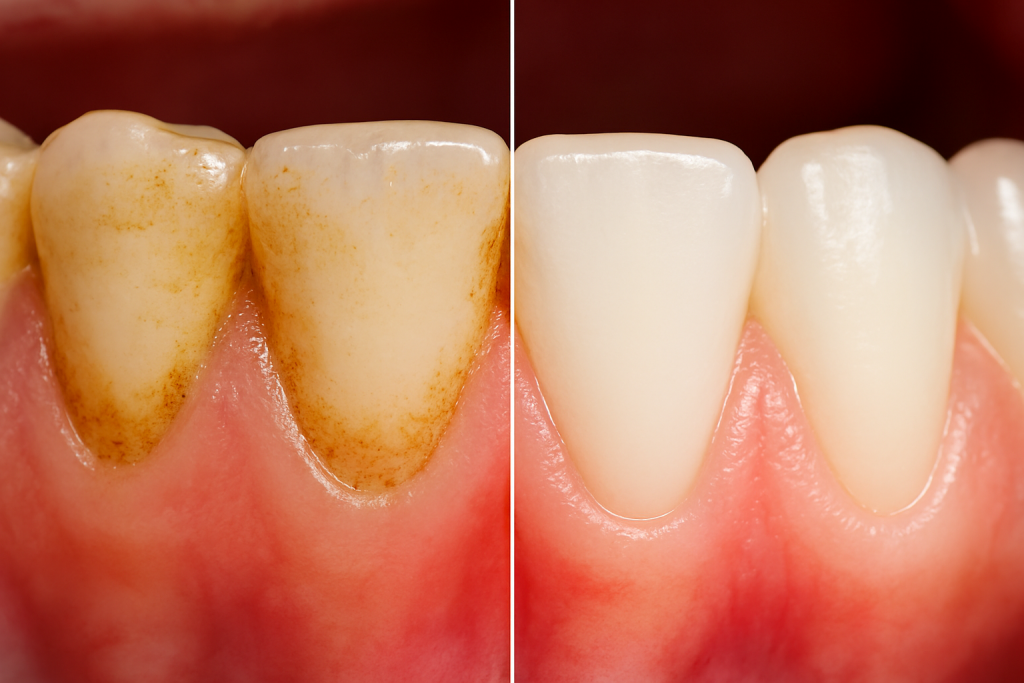
If plaque is not removed, it hardens into tartar and may lead to cavities, gum disease, and long-term oral health complications.
Tartar
Truth, first, YOU ARE NOT A DENTIST, and second, you don’t have any dental instruments to professionally remove plaque off your teeth.
Honestly, no miracle wash can remove tartar instantly. However, what you are about to read and see is well-researched information compiled into a 58-minute video, backed by extensive data of good results. After reading and watching, you can decide how to remove plaque off your teeth at home.
Recently, probiotics have shed light on gaps in dental care and hygiene, making some dental procedures more affordable. What you’ll find here is science-backed knowledge tested over many years, showing results that might catch your interest.
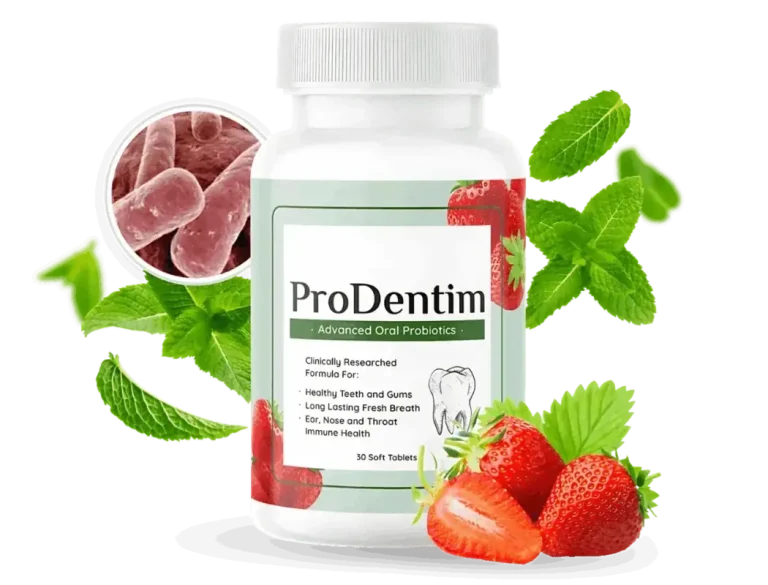
Firstly, we will talk about probiotics and how they improve oral health, right from bad teeth, gums, and bad breath – it is trending naturally. Meet Prodentim, don’t be in a rash, take your time to read before clicking.
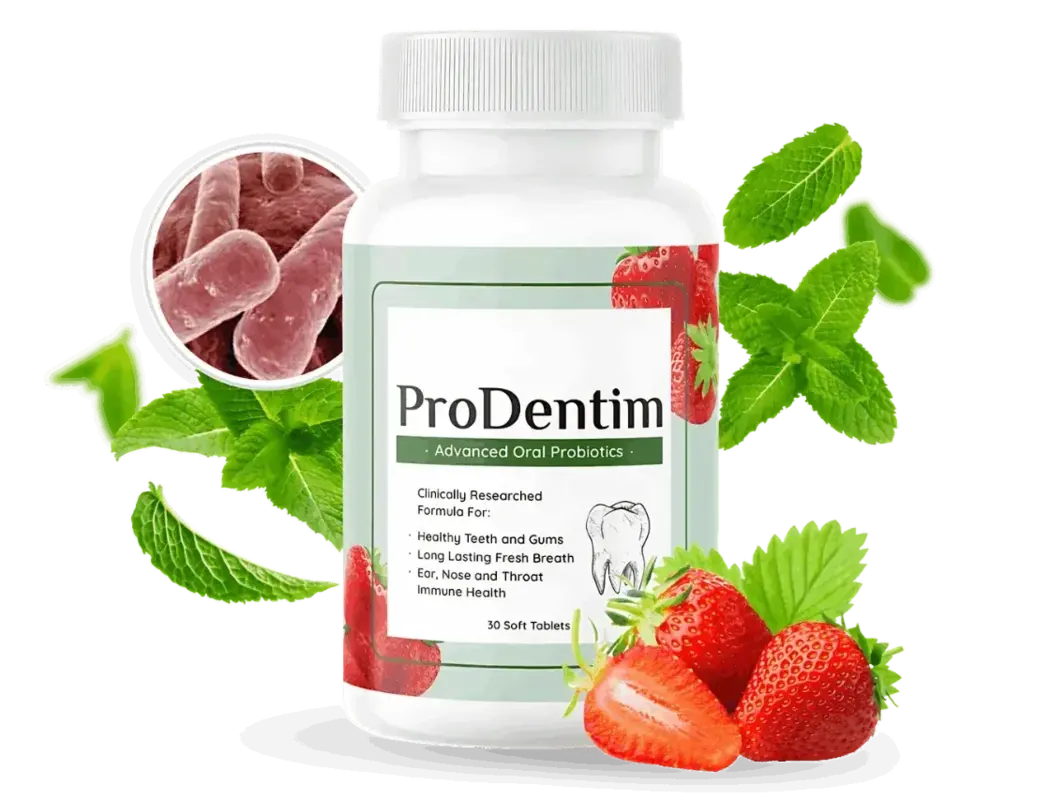 Full review on Prodentim: everything you need to know, how it works on plaque, gum, bad breath, and teeth.
- Jump to Prodentim review section > here
- Visit Prodentim’s official page > here
- Watch a 58-minute video (full review) on science research, why Prodentim? > here
- Don’t you know what probiotics are? > read on probiotic
- Continue reading the blog…
HELLO – SMILE
According to the American Dental Association (ADA), daily plaque removal is essential for preventing gingivitis and periodontal disease (American Dental Association [ADA], n.d.).If you’re wondering how to remove plaque from teeth at home safely and effectively, here is a science-backed guide.
What Is Plaque and Why Is It Dangerous?
Plaque contains bacteria that produce acids damaging to enamel. Over time, this process leads to tooth decay and gum inflammation. Research published through the National Centre for Biotechnology Information confirms that dental plaque biofilm is the primary cause of periodontal disease (Marsh, 2006). But don’t worry, understanding probiotics will enlighten your view.
TARTAR
How to Remove Plaque from Teeth at Home ( Guided Steps)
Step 1: Brush Properly — Technique Matters
The ADA recommends brushing twice daily for two minutes using fluoride toothpaste (ADA, n.d.).
Correct Technique:
- Hold the toothbrush at a 45-degree angle toward the gumline
- Use gentle circular motions
- Brush all surfaces: outer, inner, and chewing
- Brush your tongue
Electric vs Manual Toothbrush: What Does Research Say?
 Clinical research shows that electric toothbrushes are generally more effective at reducing plaque and gingivitis than manual brushes.
A large Cochrane systematic review found that electric toothbrushes reduce plaque by 21% more than manual toothbrushes after three months of use (Yaacob et al., 2014).
Another randomized clinical study demonstrated significantly greater plaque reduction among participants using electric toothbrushes than among those using manual brushing (Davidovich et al., 2020).
“Top 5 Manual & Electric Toothbrushes on Amazon You Can’t Miss Out On”
 Even though the electric toothbrush has been a significant achievement in the modern world, we cannot just dismiss the manual toothbrush.
Instead, we focus on improving it to achieve a better version that equally protects your teeth and gums.
From simple manual brushes to advanced electric models, these top 5 picks are dentist‑approved and Amazon bestsellers.
Each one is designed to fight plaque, protect gums, and keep your smile bright — don’t miss out on these must‑have options.
Top 5 Electric Toothbrushes on Amazon
| Oral‑B iO Series 9 AI feedback, OLED display, 7 modes Best for tech‑savvy users Check Price and Details on Amazon |
| Philips Sonicare DiamondClean Smart 9700 Sonic tech, app coaching, charging glass Best for luxury seekers Check Price and Details on Amazon |
| Aquasonic Vibe Series Ultra-Whitening Toothbrush – ADA Accepted 8 Brush Heads & Travel Case – 40,000 VPM Motor & Wireless Charging Best for gum‑sensitive users Check Price and Details on Amazon |
| Oral‑B Genius X Limited AI recognition, Bluetooth app, USB case Best for frequent travelers Check Price and Details on Amazon |
| Philips Sonicare Prestige 9900 SenseIQ adaptive sensors, premium case Best for perfectionists Check Price and Details on Amazon |
Top 5 Manual Toothbrushes on Amazon
| Oral-B Pro Health (Fights Plaque & Tartar) Soft bristles, ergonomic handle, plaque-fighting design Best for everyday cleaning Check Price and Details on Amazon |
| Colgate Slim Soft Manual Toothbrush Ultra-soft bristles for sensitive gums Best for gentle gum care Check Price and Details on Amazon |
| Reach Soft-Bristle Manual Toothbrush Ergonomic angled handle, soft bristles for full coverage Best for precise cleaning Check Price and Details on Amazon |
| GUM Technique Deep Clean Manual Toothbrush Soft tapered bristles, designed to remove plaque efficiently Best for gum and teeth health Check Price and Details on Amazon |
| Dr. Collins Perio Toothbrush Extra-soft bristles, ergonomically designed for sensitive teeth Best for deep gum care Check Price and Details on Amazon |
Why This Matters
If you struggle with brushing technique or consistency, upgrading your brushing routine with an advanced oral care technology toothbrush may improve plaque removal efficiency.
Step 2: Floss Daily — Essential for Gum Health
Brushing alone does not clean between teeth.
The ADA emphasizes that interdental cleaning (floss, water flossers, or interdental brushes) removes plaque from areas that toothbrush bristles cannot reach (ADA, n.d.).
Failure to floss allows plaque to accumulate below the gumline, increasing the risk of gingivitis and periodontal disease.
Step 3: Use Fluoride Toothpaste
Fluoride strengthens enamel and helps prevent decay. Scientific evidence supports fluoride’s role in reducing caries risk by enhancing remineralization (Featherstone, 2000).
Choose toothpaste with:
- Fluoride
- ADA Seal of Acceptance
- Low abrasiveness
Avoid overusing harsh whitening pastes that may increase enamel wear.
Step 4: Consider Antimicrobial Mouthwash
Mouthwash supports plaque control but does not replace brushing or flossing. According to the ADA, antimicrobial rinses can reduce bacterial load and help control gingivitis when used alongside proper brushing and flossing (ADA, n.d.).
When is Tartar an issue at Home?
- Once plaque hardens into tartar (calculus), it requires professional removal using dental instruments.
- Attempting DIY scraping may damage enamel and gums.
- Professional cleanings every six months are strongly recommended.
Signs You Have Excess Plaque
- Yellow buildup near the gumline
- Bleeding gums
- Persistent bad breath
- Swollen or red gums
- Rough tooth surfaces
Early intervention prevents long-term complications.
Common Mistakes That Increase Plaque
❌ Brushing for less than 2 minutes
❌ Skipping flossing
❌ Not replacing toothbrush heads
❌ Brushing too aggressively
❌ Ignoring dental visits
Consistency is the true secret to plaque prevention.
A Short History of Toothbrush
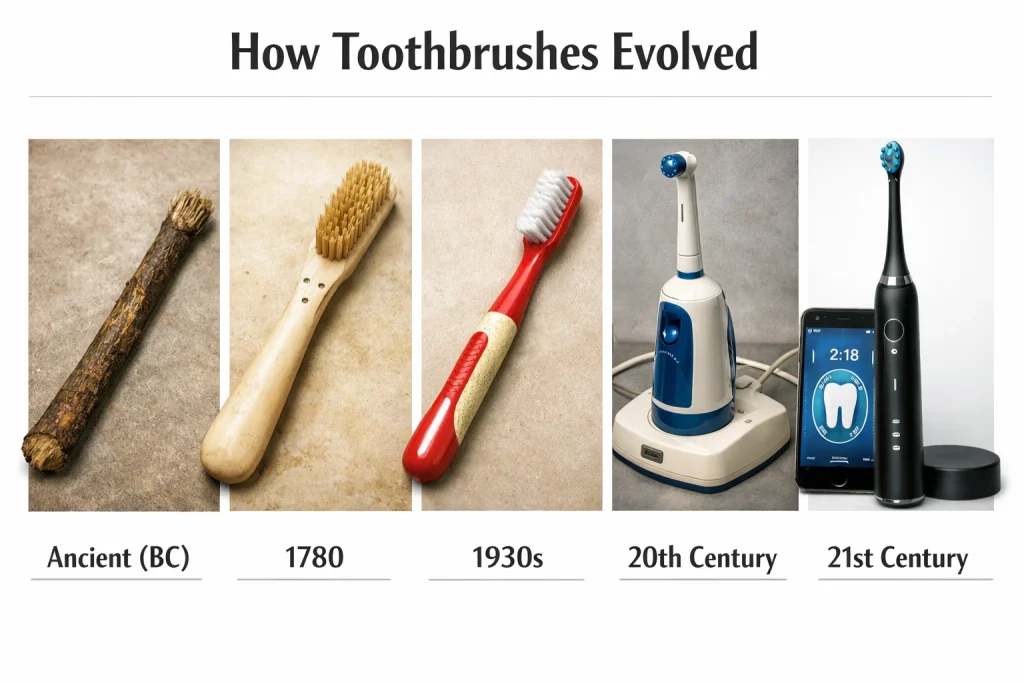
The evolution of toothbrush design reflects advances in dental science focused on plaque control.
Oral hygiene practices date back thousands of years:
- Ancient Egyptians used chew sticks (3000 BC).
- In 15th-century China, bristle toothbrushes emerged.
- In 1780, William Addis mass-produced the first modern toothbrush.
- Nylon bristles replaced animal hair in the 1930s.
- Electric toothbrushes became popular in the mid-20th century, especially as research began supporting their plaque-reducing benefits.
ProDentim Review: Does It Really Work for Plaque & Gum Health?
Kindly visit here if you prefer a Video on how it was discovered >> how proDentim is made explained.
Bad breath… plaque buildup… gum discomfort…
Most people think brushing harder will fix it.
👉 But what if the real problem isn’t your toothbrush…
…but the bacteria inside your mouth?
🔍 What Is ProDentim oral probiotic supplement?
ProDentim is an oral probiotic supplement designed to support a healthy balance of bacteria in the mouth. Unlike traditional dental products that clean the surface…
ProDentim focuses on the oral microbiome — the ecosystem of bacteria living in your mouth. Creating a balanced microbiome through:
- Supporting gum health
- Reducing the buildup of harmful bacteria
- Improving breath freshness
⚠️ Why Plaque Keeps Coming Back
Even if you brush twice a day…
Plaque can return within hours.
That’s because:
- Certain bacteria stick to teeth
- They feed on sugars
- They rebuild plaque continuously
👉 This is why many people feel stuck in a cycle.
🌿 How ProDentim Works
ProDentim uses beneficial bacteria strains to:
- Compete with harmful bacteria
- Support a balanced oral environment
- Help maintain cleaner teeth and healthier gums
Pros & Cons
👍 Pros:
- Easy daily use
- Targets root bacterial balance
- Supports overall oral hygiene routine
👎 Cons:
- Results vary by individual
- Not a replacement for brushing/flossing
- Requires consistent use
Who Is It For?
ProDentim may be helpful for people who:
- Experience frequent plaque buildup
- Struggle with bad breath
- Want to support gum health naturally
- Are looking for an alternative approach beyond brushing alone
VISIT PRODENTIM OFFICIAL PAGE > HERE
Return to where you jumped from. > HERE
References
American Dental Association. (n.d.). Home oral care. https://www.ada.org/resources/ada-library/oral-health-topics/home-care
American Dental Association. (n.d.). Floss/interdental cleaners. https://www.ada.org/resources/ada-library/oral-health-topics/floss
Davidovich, E., et al. (2020). A randomized clinical study on the effect of an electric toothbrush on plaque removal. Journal of Clinical Pediatric Dentistry, 44(6), 417–422. https://pubmed.ncbi.nlm.nih.gov/33225464/
Featherstone, J. D. B. (2000). The science and practice of caries prevention. Journal of the American Dental Association, 131(7), 887–899. https://pubmed.ncbi.nlm.nih.gov/10916382/
Marsh, P. D. (2006). Dental plaque as a biofilm and a microbial community. BMC Oral Health, 6(Suppl 1), S14. https://www.ncbi.nlm.nih.gov/pmc/articles/PMC2147593/
Yaacob, M., Worthington, H. V., Deacon, S. A., et al. (2014). Powered versus manual toothbrushing for oral health. Cochrane Database of Systematic Reviews, 2014(6), CD002281. https://www.cochrane.org/CD002281/ORAL_powered-versus-manual-toothbrushing-for-oral-health