How to Get Plaque Off Your Teeth at Home (A Doctor’s Guide)

This article is strictly for educational purposes only and should not replace your medical professional advice. Affiliate Disclosure: If you use our link to purchase any product, we may receive a small commission. Thank you.
What You Need to Know First
If you once searched for “how to get plaque off your teeth at home”, you are not alone. Everyone is looking for those white teeth to enhance a big smile with confidence.
When it comes to oral care, focus on these three main things below, and you’ll come out on top.
- Plaque
- Bad breath
- Gum health
This makes a lot of people brush twice daily.
But does it help them?
Yes, it does, only for a while, maybe a minute, hrs. But when it comes to days, they are stacked in that circle again, like a loop. So, what can we do to break it?
After spending so much time researching, I decided to write this post to help someone in this loop. The dilemma of brushing regularly, yet still finding plaque on your teeth.
👉 The truth is simple…
Brushing your teeth is just the beginning, followed by the solution.
The Solution
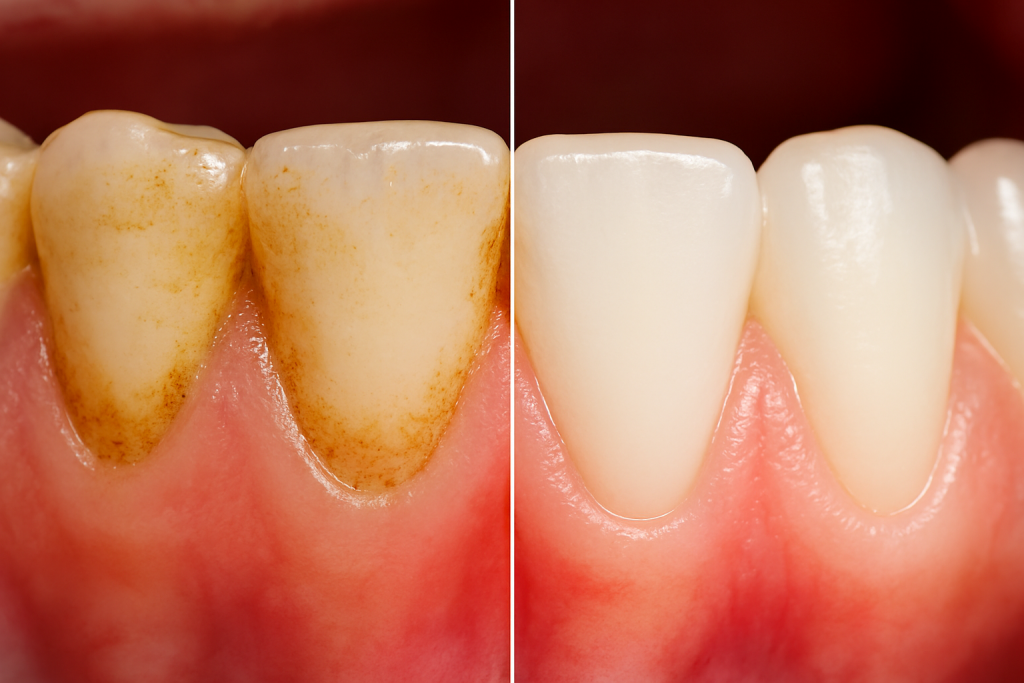
So, let’s keep it simple, no heavy science terms. Plaque is a sticky layer of bacteria that forms on your teeth every day after eating. It is usually within about 15 minutes, since most bacterial growth happens in that time frame.
If not removed:
- It hardens into tartar about 24 -72 hrs- then full Tartar occurs in 10- 12 days
- Causes bad breath
- Leads to gum problems
Now here is the important part…
👉 Why does this bacteria grow back after brushing? Plaque regrows quickly because bacteria are always present and naturally recolonize tooth surfaces. Brushing keeps them under control, but they’ll start rebuilding biofilm within hours.
This is where probiotics play a vital role. Scientific discoveries have revealed numerous mummified teeth that, despite being exposed to harsh conditions, remained remarkably strong. This prompted significant scientific investigation into which oral bacteria are instrumental in maintaining a healthy oral biome.
If harmful oral bacteria cause bad breath, introducing beneficial bacteria can help combat the harmful ones and promote fresh breath.
Over the years, researchers have focused on isolating the most effective bacteria responsible for a healthy oral biome, and these are now readily available.
One leading product in the market is ProDentim.
This discussion of Prodentim is not promotional but rather a reflection of how remarkable science can benefit humanity in the coming years.
Today, many people feel happy,
“I brush… I chew, I smile” A world of oral probiotics,
Many people have added this to their daily routine, a ritual worth considering to keep their oral health in top-notch.
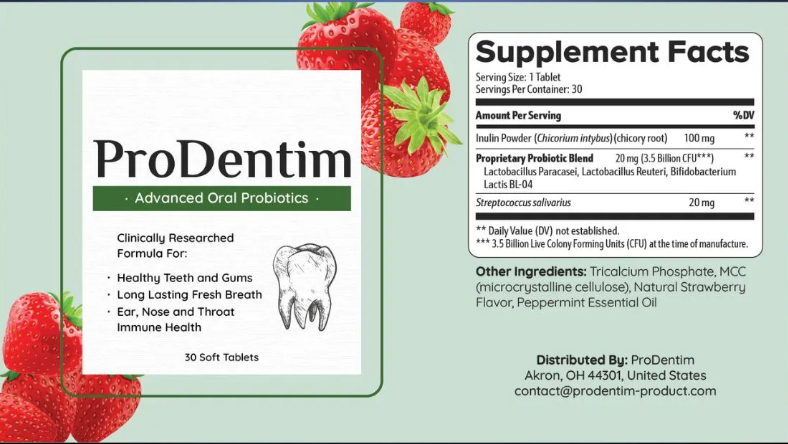
ProDentim Ingredient Fact Sheet
| Ingredient | Function |
|---|---|
| Bifidobacterium lactis BL-04® | Boosts immune function and supports oral & respiratory health. |
| Lactobacillus Paracasei | Strengthens gums and supports oral immunity. |
| Lactobacillus Reuteri | Balances oral bacteria and reduces harmful microbes. |
| Inulin | Prebiotic fiber that feeds beneficial bacteria. |
| Malic Acid | Helps brighten teeth naturally and supports enamel protection. |
| Peppermint | Provides long-lasting freshness and antibacterial support. |
| Tricalcium Phosphate | Strengthens teeth and enamel density. |
| BLIS K12 (Streptococcus salivarius K12) | Supports fresh breath and oral microbiome balance. |
| BLIS M18 (Streptococcus salivarius M18) | Promotes gum and tooth health by reducing plaque and gingivitis-causing bacteria. |
Can You Do Tartar Removal at Home?
No. Let’s be clear here. And be very careful using things that are not medical standard, because they can dissolve the enamel on your teeth and that will worsen it.
Tartar removal at home is not possible.
Once plaque becomes tartar:
- It sticks strongly to your teeth
- It requires professional cleaning
Trying to scrape it off yourself can damage your enamel.
So, How Do You Get Plaque Off Your Teeth at Home?
Essential Habits for Healthy Teeth
- The 2-2-2 Rule: Maintain your oral health by brushing twice a day for two minutes and visiting the dentist twice a year. According to the National Institutes of Health (NIH), brushing twice daily is the standard clinical recommendation to significantly improve plaque control and periodontal status. Regular six-month checkups are essential for the early detection of oral diseases like dental caries and the professional removal of hardened tartar.
- Electric Toothbrushes: These devices are superior to manual brushing for long-term oral hygiene. NIH-indexed research that demonstrates that power toothbrushes result in significantly lower plaque scores than manual brushes after just six weeks of use.
- Water Flossing: Utilising a water flosser is a powerful way to disrupt bacteria in hard-to-reach areas. A systematic review published via the NIH found that water flossers are often more effective than traditional string floss at reducing plaque in inaccessible interproximal areas. Medical News Today reports that these devices can be up to 29% more effective for overall plaque removal after a single use.
- Dietary Adjustments: To protect your enamel, reduce the intake of sugary and starchy foods that feed acid-producing bacteria. Some NIH reseraches emphasize that bacteria in dental plaque metabolize fermentable carbohydrates, particularly sucrose, causing a drop in pH that leads to enamel demineralization.
References worth reading on dental care at NIH
If you want a more detailed step-by-step routine, check this dentist-approved plaque removal guide .Why These Methods Sometimes Fail
Let’s be honest…
Many people already do these things.
Yet plaque still returns.
Why?
👉 Because the root issue is often ignored:
Bacterial imbalance in the mouth.
The Missing Piece Most People Don’t Know
Your mouth contains:
- Good bacteria
- Bad bacteria
When bad bacteria dominate:
- Plaque forms faster
- Breath smells
- Gums suffer
So even after brushing…
👉 The cycle continues.
A Smarter Approach (What People Are Now Doing)
Instead of only cleaning their teeth…
Some people are now focusing on supporting good bacteria in their mouths.
This approach aims to:
- Reduce plaque buildup over time
- Improve breath
- Support gum health
Where ProDentim Comes In
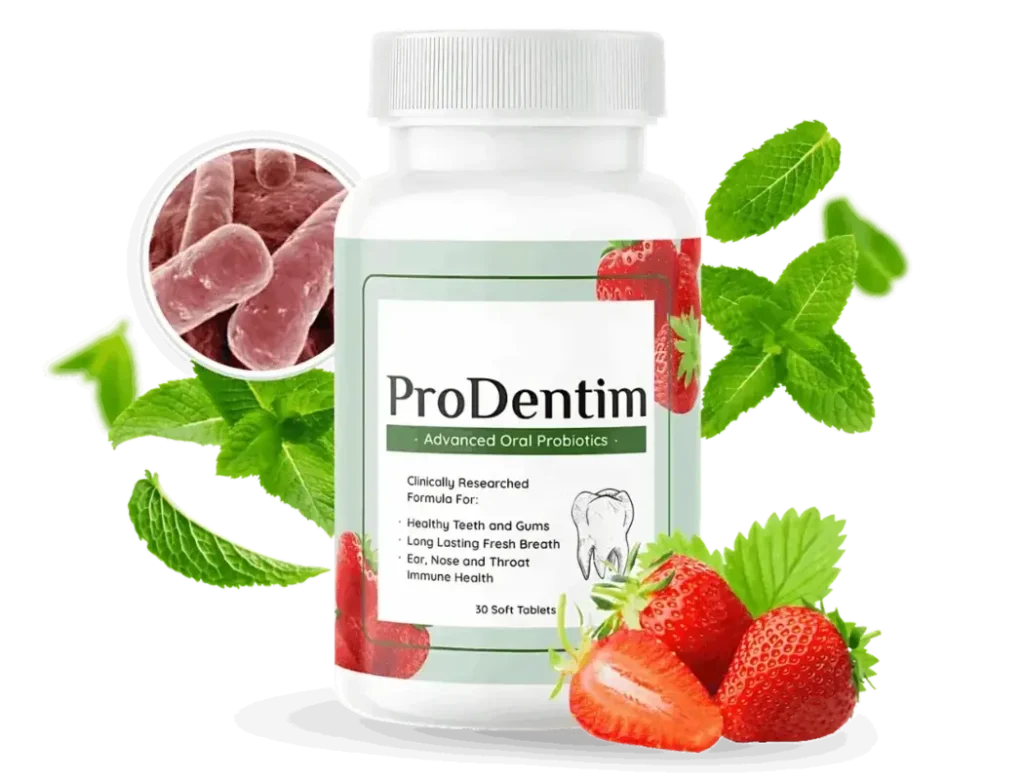
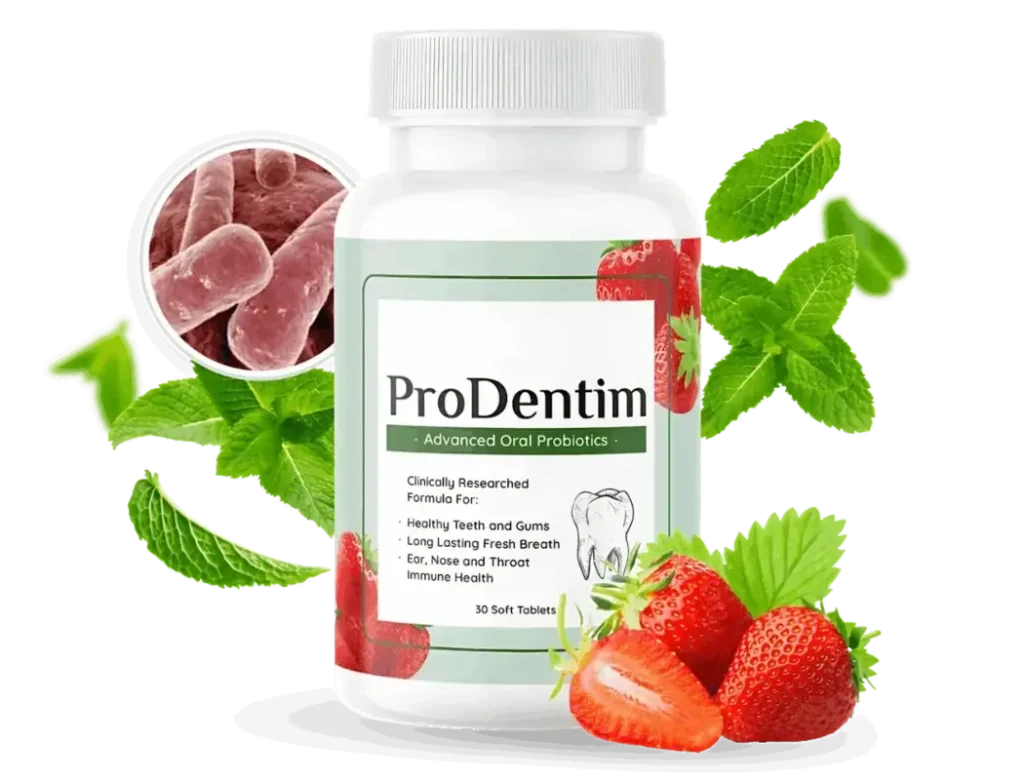
ProDentim is designed to support the balance of bacteria in your mouth.
It is not a toothpaste.
It works differently by focusing on the oral microbiome.
Key Ingredients
- Lactobacillus Paracasei – supports gums
- Lactobacillus Reuteri – helps with inflammation
- Inulin – feeds good bacteria
- Peppermint – freshens breath
ProDentim Reviews (What People Are Saying)
From what I have seen:
Many users report:
- Fresher breath
- Cleaner feeling teeth
- Better gum comfort
- Plaque reduction of about 80% and more this made them happy
However…
👉 Results vary depending on the person.
Pros and Cons
Pros
- Easy to use
- Supports oral bacteria
- Works alongside brushing
Cons
- Not a replacement for dental care
- Results are not the same for everyone
👇 Check Price & Availability
Watch how proDentim is discovered
Important Reminder
- You cannot remove tartar at home
- You still need proper oral hygiene
- Visit a dentist when necessary
FAQ
Final Thoughts
If you are struggling with plaque even after trying everything…
Then it might not just be about cleaning your teeth.
👉 It might be about what is happening inside your mouth.
Fixing the cause, not just the symptoms, is what makes the difference.
- NIH: How Frequently Should Tooth Brushing Be Performed?
- NIH: Plaque Scores for Manual vs. Power Toothbrushes
- NIH: Effectiveness of Water Flosser vs. Dental Floss
- NIH: Comparison Between Water Flosser and Regular Floss
- NIH: Diet and Nutrition to Prevent Dental Problems
- NIH: The Impact of Carbohydrate Quality on Dental Plaque pH
- NIH: The Importance of Periodic Dental Control