Is Hibiscus Tea Good for High Blood Pressure? (What You Should Know)

Please note that all information in this article is for informational purposes only and should not replace your medical doctor’s advice. We’re happy to share this with you. Affiliate Disclosure: We may receive a small commission if you follow any link on our website to make a purchase.

I see the look on my patients’ faces the moment we talk about blood pressure; it’s usually a mix of ‘I feel fine’ and ‘Please don’t put me on five different pills.’ I get it. High blood pressure is the ‘silent‘ thief, but managing it shouldn’t feel like a medical sentence. If you continue reading, we will uncover some natural, healthy support that may help reduce your blood pressure. Have you heard of the hibiscus flower research on blood pressure?
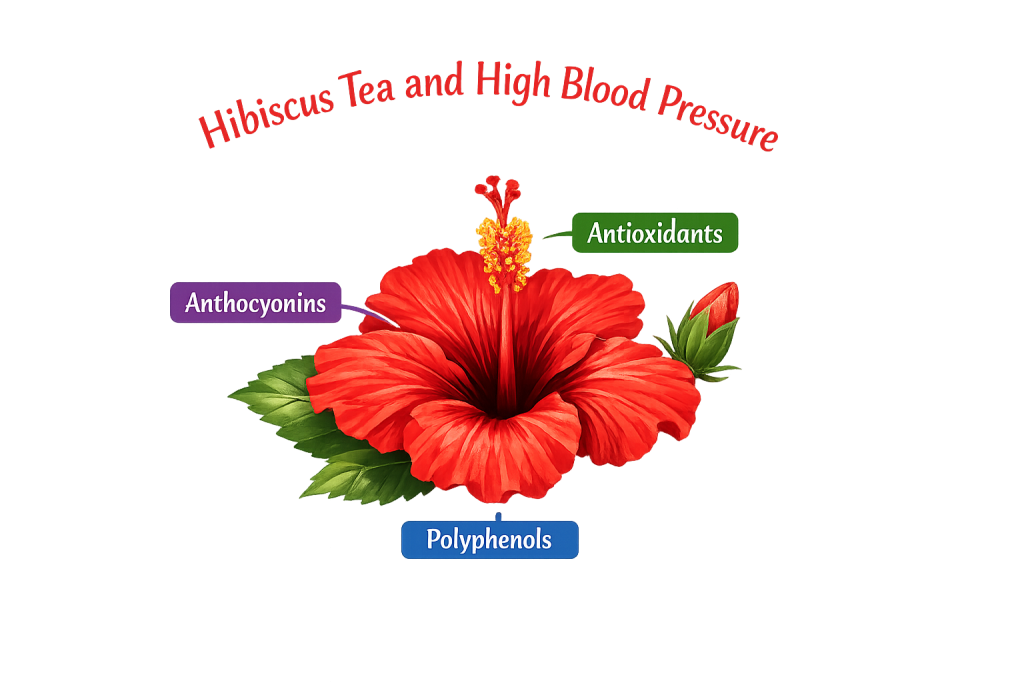
Hibiscus: 3 Key Compounds That Improve Blood Pressure
Hibiscus is one of the few natural shifts that actually has the science to back it up.
Most Hypertensives world wide naturally add hibiscus-based tea to their daily routine, due to its rich scientific discovery. But before you sip your first cup, there are three things you need to know about how it actually interacts with the heart and the process by which hibiscus lowers blood pressure.
High blood pressure often shows no symptoms; yet it can quietly damage your heart over time.
Managing blood pressure isn’t just about numbers; it’s about protecting long-term health and peace of mind.
Many people incorporate lifestyle modifications, such as diet and exercise, to help control and support their heart health.
🌿 Hibiscus Tea Blend for Heart Health
This is a hibiscus tea blend with added heart-support ingredients. It provides natural antioxidants like anthocyanins and polyphenols to support healthy circulation.
View DetailsHow does hibiscus lower blood pressure?
Because it contains:
🌺 1. Anthocyanins
These vibrant pigments give hibiscus its red color and help lower systolic blood pressure by improving vascular flexibility (McKay et al., 2010).
While pure hibiscus tea is effective, some people prefer a more complete formula that combines hibiscus with other heart-support ingredients.
🧬 2. Antioxidants
Hibiscus is rich in antioxidants that reduce oxidative stress, a major contributor to hypertension (Hopkins et al., 2013).
🍃 3. Polyphenols
Polyphenols in hibiscus tea enhance endothelial function and reduce inflammation, supporting smoother blood flow (Serban et al., 2016).
Due to these properties, hibiscus-based teas with a little heart-supporting herb have gained popularity, and many people are enjoying their benefits. A popular blend is Hibiscus + heart-support ingredients. Designed for convenience and daily use.
🎥Below is a video about the Costa Rican ritual on hibiscus blended tea + other heart-support ingredients (Cardio Slim Tea).

🍵 Is Hibiscus Tea Good for High Blood Pressure?
The simple answer is: Yes. But listen carefully, from a medical view: Hibiscus tea has been shown in multiple studies to lower blood pressure naturally, but it’s not a substitute for prescribed medication.
If you have moderate to severe hypertension. Clinical trials suggest it can reduce systolic blood pressure by about 7 mmHg (McKay & Blumberg, 2010),
which is significant, but usually not enough on its own for people who require medical treatment.
Hibiscus Tea as a complementary
The safest approach is to use hibiscus tea as a complementary aid alongside lifestyle changes (diet, exercise, stress management) and under a doctor’s guidance—not as a replacement for prescribed medication.
A large scientific review analysing multiple clinical trials found that hibiscus tea can reduce systolic blood pressure by around 6–7 mmHg on average—a meaningful improvement when used consistently (McKay & Blumberg, 2010; Serban et al., 2016).
This is why many people include hibiscus tea as part of their daily routine for long-term blood pressure support.
🌿 Hibiscus Tea Blend for Heart Health
This is a hibiscus tea blend with added heart-support ingredients. It provides natural antioxidants like anthocyanins and polyphenols to support healthy circulation.
View Details🍵 Why Hibiscus Is Considered the Best Tea for High Blood Pressure
When comparing different teas that help lower blood pressure, hibiscus often stands out.
Here’s why:
- Rich in antioxidants like anthocyanins
- Supports relaxation of blood vessels
- Helps improve blood flow
- May reduce oxidative stress
These properties make it a strong natural option for those looking for blood pressure support without complicated routines (Hopkins et al., 2013).
Does Hibiscus Tea Lower Blood Pressure?
Research indicates that hibiscus tea may help support reductions in both systolic and diastolic blood pressure when consumed regularly (Serban et al., 2016).
However, it’s important to understand:
- It is not an instant solution
- Results depend on regular use
- Effects are gradual, not immediate
How Fast Does Hibiscus Tea Lower Blood Pressure?
Most findings suggest that noticeable changes are associated with consistent intake over 2 to 4 weeks (McKay & Blumberg, 2010).
Consistency plays a major role in effectiveness.
How Many Cups of Hibiscus Tea to Lower Blood Pressure?
The most commonly recommended amount is:
- 2 cups per day
- Morning
- Evening
How to Brew 2 Cups of Hibiscus Tea
- Water: 2 cups (16 oz / ~480 ml)
- Dried hibiscus petals: 2 tablespoons (~6–8 grams)
- Optional flavouring: 1 teaspoon of honey or a slice of lemon
Steps:
- Bring 2 cups of water to a boil.
- Add 2 tablespoons of dried hibiscus petals.
- Let steep for 5–10 minutes (longer for a stronger flavour).
- Strain into mugs and enjoy warm or chilled.
This matches the dosage used in most studies—about two cups daily for blood pressure support.
Even though it has some cardiovascular benefits, it’s safe to always tell your healthcare provider or medical personnel about how much you take, so you can get the full benefits.
This intake level is frequently used in studies examining its cardiovascular effects (Hopkins et al., 2013).
Does Hibiscus Tea Lower Blood Pressure Immediately?
No. Hibiscus Tea does not lower blood pressure immediately; hibiscus tea works gradually as part of a consistent routine. It is best viewed as long-term support, not a quick fix (McKay & Blumberg, 2010).
🍃 Teas That Help Lower Blood Pressure
While hibiscus is often considered the best tea for hypertension, other teas may also support heart health:
However, hibiscus remains one of the most studied for direct blood pressure support (Hopkins et al., 2013).
❤️ Final Thoughts
So, is hibiscus tea good for high blood pressure?
Evidence suggests it can be a helpful, natural way to support healthy levels when used consistently.
Like any lifestyle habit, results depend on regular use and overall health practices.
For those looking to simplify their routine, just add hibiscus-based tea to your daily medication, regularly monitor your blood pressure at home, and report back to your medical personnel for a check-up to track your progress.
❓ Frequently Asked Questions
Can hibiscus tea lower high blood pressure?
It may help support healthy levels when consumed regularly (Serban et al., 2016).
Does drinking hibiscus tea lower blood pressure?
It may contribute to improved circulation and vascular health (Hopkins et al., 2013).
Is hibiscus good for blood pressure?
Yes, due to its antioxidant and vascular-supporting properties (McKay & Blumberg, 2010).
Similar post on my Medium page
📚 References
McKay, D. L., & Blumberg, J. B. (2010). A review of the bioactivity and potential health benefits of Hibiscus sabdariffa. Phytotherapy Research, 24(1), 1–10. https://doi.org/10.1002/ptr.2592
Hopkins, A. L., Lamm, M. G., Funk, J. L., & Ritenbaugh, C. (2013). Hibiscus sabdariffa L. in the treatment of hypertension and hyperlipidemia: A comprehensive review of animal and human studies. Fitoterapia, 85, 84–94. https://doi.org/10.1016/j.fitote.2013.01.003
Serban, M. C., Sahebkar, A., Ursoniu, S., Andrica, F., & Banach, M. (2016). Effect of sour tea (Hibiscus sabdariffa L.) on blood pressure: A systematic review and meta-analysis of randomized controlled trials. Journal of Hypertension, 34(2), 233–241. https://doi.org/10.1097/HJH.0000000000000780