
WHY THE BACK PAIN WHEN DRIVING
Back pain | Driving life
During clinical consultations, patients routinely present with a consistent pattern of mechanical axial back pain, upper thoracic tightness, and physical exhaustion following extended travel: “Doctor, I can handle the driving, but my lower back and neck are killing me by the time I get home.” As a practicing physician, a substantial portion of the patients I evaluate for acute lumbar strain, cervical myofascial pain, and central nervous system fatigue are long-distance commuters, commercial transport operators, and cross-country road-trippers.
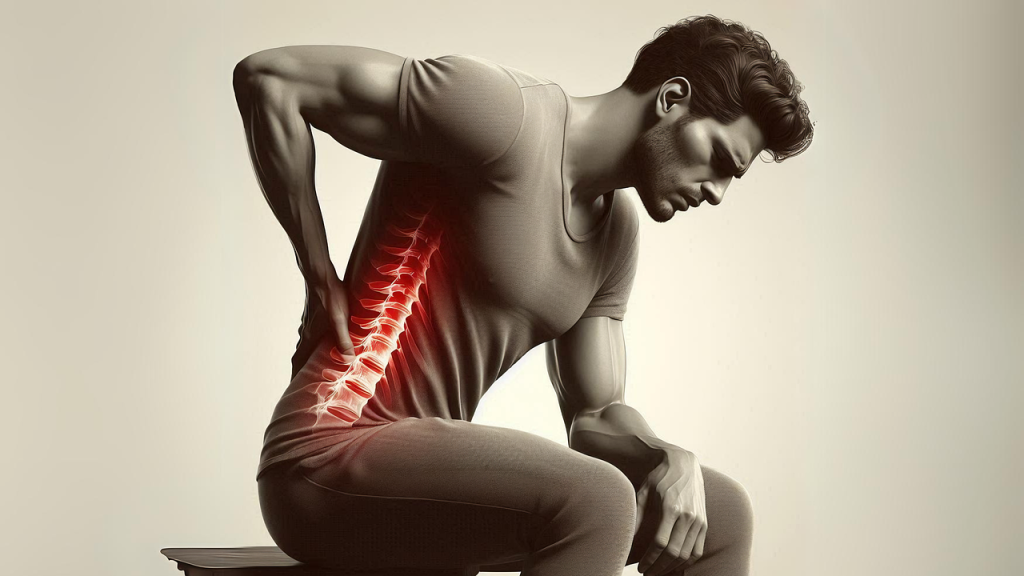
Operating a motor vehicle for prolonged periods subjects the human musculoskeletal system to a biomechanically unfavorable environment. When exacerbated by inadequate lumbar support, pedal misalignment, and sleep deprivation, extended highway travel can induce lumbar disc compression, chronic muscle imbalance, and delayed neuromuscular response times.
Below is a comprehensive clinical examination of the anatomical and physiological effects of long-distance driving, along with evidence-based medical strategies to maintain spinal alignment, circulatory health, and cognitive function.
1. Spinal Biomechanics & Ergonomics: Etiology of Driving-Induced Pain
Standard vehicular seats are engineered primarily for passive restraint, collision safety, and industrial manufacturing rather than anatomical spinal neutrality. In a standard driver’s bucket seat, the hips typically sit lower than the knees, forcing the pelvis into a posterior pelvic tilt. This pelvic rotation flattens the natural inward curve of the lower spine, known as lumbar lordosis.
Loss of lumbar lordosis increases intradiscal pressure within the L4-L5 and L5-S1 lumbar segments by up to 40% compared to standing. Without natural lordotic alignment, compressive forces shift from the paraspinal musculature directly onto the intervertebral discs and posterior longitudinal ligaments. Furthermore, vehicle operation subjects the occupant to whole-body vibration between 4 Hz and 8 Hz; a frequency range that matches the natural resonant frequency of the human spine. Pathophysiologically, this continuous mechanical vibration accelerates micro-trauma within the annulus fibrosus, promotes fluid exudation from the nucleus pulposus, and triggers localized inflammatory responses in the surrounding nerve roots.
Clinical Ergonomic Protocols
- Preserve Lumbar Lordosis: Adjust your seat’s integrated lumbar support to maintain the natural anatomical curve of your lumbar spine. If your vehicle lacks an adjustable lumbar mechanism, position an orthopedic lumbar roll or firm high-density cushion at the level of the L1–L5 vertebrae.
- Calibrate Seat Distance and Backrest Incline: Position the backrest at an angle of 100° to 110° to minimize lumbar disc pressure. Adjust the seat distance so that the knees maintain a slight 120° flexion when fully depressing the pedals, preventing hamstring strain and anterior hip impingement.
- Optimize Cervical Support: Position the head restraint so that its center aligns with the occipital protuberance of your skull (level with the top of the ears). Maintain a maximum clearance of two inches between the head restraint and the occiput to reduce suboccipital muscle strain and protect against hyperextension injury during sudden decelerations.
- Upper Extremity Placement: Adjust the steering column height and tilt so your shoulders remain relaxed, with your elbows bent at approximately 120° while holding the wheel at 9 and 3 o’clock. Placing hands higher on the wheel forces continuous isometric contraction of the upper trapezius and levator scapulae muscles, frequently precipitating cervicogenic tension headaches.
2. Vascular Physiology, Joint Motion, and Deep Vein Thrombosis (DVT)
The human circulatory and musculoskeletal systems require intermittent mechanical movement to maintain metabolic homeostasis. Remaining in a static seated position for longer than 60 minutes deactivates the calf muscle venous pump mechanism (soleus and gastrocnemius muscles). This immobility impairs venous return to the heart, causing fluid stasis and increased hydrostatic pressure in the lower extremities.
Because intervertebral discs are avascular structures in adults, they depend entirely on mechanical diffusion (imbibition) driven by spinal movement to receive nutrients and eliminate metabolic waste. Extended immobility impairs solute exchange across the cartilage endplates, leading to localized metabolic acidosis and tissue stiffness. Clinically, prolonged immobility in a constrained position also elevates the risk of venous thromboembolism, specifically Deep Vein Thrombosis (DVT) in the deep veins of the lower calf and thigh.
Clinical Interventions for Vascular and Joint Health
- The 90-to-120 Minute Movement Protocol: To prevent metabolic endplate starvation and venous stasis, schedule mandatory movement breaks every 90 to 120 minutes. Ambulate for 3 to 5 minutes at rest stops to reactivate the calf muscle pump and restore normal physiological venous flow.
- Targeted Spinal Decompression Exercises: During rest stops, perform 10 gentle standing lumbar extension exercises (placing hands on the posterior iliac crests and extending the spine backward) to reduce posterior disc displacement. Perform controlled cervical retraction (chin tucks) and shoulder goniometric rolls to alleviate thoracic outlet pressure.
- In-Seat Venous Activation Exercises: While safely stopped at traffic lights or during heavy congestion, perform periodic isometric calf contractions, plantarflexion/dorsiflexion ankle pumps, and gluteal isometric holds to promote venous velocity in the femoral veins.
- Hydration and Cartilage Homeostasis: Inadequate systemic hydration reduces articular cartilage water content and accelerates muscular fasciculations (cramping). Maintain consistent fluid intake with water throughout the trip. Avoid excessive consumption of high-dose caffeine or energy drinks, which possess mild diuretic properties and can exacerbate fluid imbalance.
3. Neuro-Cognitive Exhaustion, Circadian Rhythms, and Driver Fatigue
Driving is a high-demand neuro-cognitive activity requiring continuous visual processing, executive decision-making, rapid motor responses, and sustained attention. Prolonged wakefulness and cognitive strain induce a progressive decrease in central nervous system processing speed.
Neurological research demonstrates that sustained wakefulness for 18 consecutive hours induces cognitive and motor impairment comparable to a Blood Alcohol Concentration (BAC) of 0.05%, while 24 hours of sustained wakefulness mirrors a BAC of 0.10%. Furthermore, sustained travel along featureless roadways triggers highway hypnosis a state of sensory adaptation characterized by EEG alpha wave patterns similar to light stage 1 sleep, despite the eyes remaining open.
Physician-Guided Sleep Protocols for Travel
- Pre-Trip Sleep Optimization: Ensure 7 to 9 hours of uninterrupted physiological sleep for two consecutive nights prior to long journeys. Deep slow-wave (N3) sleep is essential for human growth hormone release and cellular repair, while REM sleep stabilizes spatial orientation and motor reaction time.
- Circadian Phase Alignment: Human alertness follows a biphasic circadian rhythm, experiencing natural physiological lulls between 2:00 AM and 6:00 AM, and again between 1:00 PM and 3:00 PM. Schedule major travel segments outside these high-somnolence circadian windows.
- Clinical Indicators of Micro-Sleep: Frequent yawning, ocular burning, involuntary eyelid closures (blepharospasm), delayed motor braking responses, or retrograde amnesia regarding recent mileage indicate severe neuro-cognitive exhaustion. Immediate cessation of driving is required.
- Strategic Power Naps: If somnolence develops, park in a safe location, reclined the driver’s seat, and take a 15-to-20-minute nap. Restricting the nap to under 20 minutes prevents entry into slow-wave sleep, avoiding sleep inertia (post-awakening grogginess).
4. Travel Metabolism, Glycemic Stability, and Inflammatory Response
Nutrient consumption during long trips directly influences systemic inflammatory pathways, muscle recovery, and central nervous system alertness.
Consuming high-glycemic meals triggers a strong insulin response followed by rapid reactive hypoglycemia. Simultaneously, heavy digestive workloads induce postprandial somnolence via parasympathetic activation and splanchnic hyper-perfusion, drawing blood flow away from cerebral circulation and impairing driver alertness.
Clinical Dietary Guidance for Drivers
- Glycemic Control and Nutrient Density: Select low-glycemic, protein-dense foods such as raw almonds, walnuts, hard-boiled eggs, seeds, and fresh berries. These choices maintain stable blood glucose levels and prevent rapid insulin spikes and cognitive fatigue.
- Osmotic Balance and Fluid Retention: Excessive sodium consumption promotes intravascular fluid overload, contributing to peripheral edema in dependent lower limbs during extended sitting. Balance dietary sodium with potassium-rich whole foods like bananas or unflavored coconut water.
- Targeted Caffeine Administration: Use caffeine as a targeted central nervous system stimulant rather than relying on continuous intake. Administer 50–100 mg doses (a small coffee or green tea) strategically during circadian alertness dips. Cease caffeine intake at least 6 hours prior to overnight sleep to protect sleep architecture.
5. Proactive Route Planning and Health-Oriented Rest Breaks
From a preventive medicine perspective, managing driving-related pain requires structured planning rather than reactive treatment. Continuous driving without planned breaks is a primary risk factor for acute paraspinal muscle spasms, cervicogenic headaches, and severe cognitive exhaustion.
Incorporate health stops directly into your travel planning. Rather than stopping briefly at high-density service stations, select parks, scenic vistas, or walking trails where you can perform meaningful physical movement and spinal decompression exercises. For route planning resources, scenic stop locations, and well-structured itineraries, explore the options in Road Blueprint’s Travel Guides Archives.
Frequently Asked Questions (Clinical Perspective)
Why does my lower back hurt after driving long distances?
Sitting flattens the normal lumbar lordosis, shifting loads to the intervertebral discs and increasing L4-L5 disc pressure by up to 40% over standing positions. Coupled with road vibration between 4 Hz and 8 Hz, this triggers mechanical disc strain, localized ischemia, and paraspinal muscle fatigue.
How often should I stop and stretch during a road trip?
It is clinically recommended to stop every 90 to 120 minutes. A 3-to-5-minute walking break restores venous circulation in the calf muscles, reduces lumbar disc pressure, and improves cerebral blood flow for optimal cognitive function.
Can poor driving posture cause severe neck pain and tension headaches?
Yes. Leaning forward or slouching shifts the head forward relative to the cervical spine. For every inch of forward head posture, the effective weight load on the suboccipital and upper trapezius muscles increases by roughly 10 pounds, frequently precipitating myofascial pain and cervicogenic tension headaches.
What is the best seat position to prevent sciatica while driving?
Position your seat so that your hips sit slightly higher than or level with your knees, avoiding deep hip flexion. Keep the backrest inclined between 100° and 110° to reduce direct compressive force on the L4-L5 and L5-S1 nerve roots, and ensure the front edge of the seat cushion does not compress the popliteal fossa behind your knees.